Returning to school is a significant decision for many adult learners, especially those balancing work, family, or other responsibilities. Flexible certificate and degree programs may help individuals explore education pathways aligned with their schedules, professional interests, and long-term goals.
According to the U.S. Bureau of Labor Statistics, occupations across healthcare, business, information technology, and skilled trades continue to require varying levels of postsecondary education and workforce training.
(Source: https://www.bls.gov/ooh/)
At Edu Response, we help individuals explore career-focused programs designed to fit different educational and professional goals.
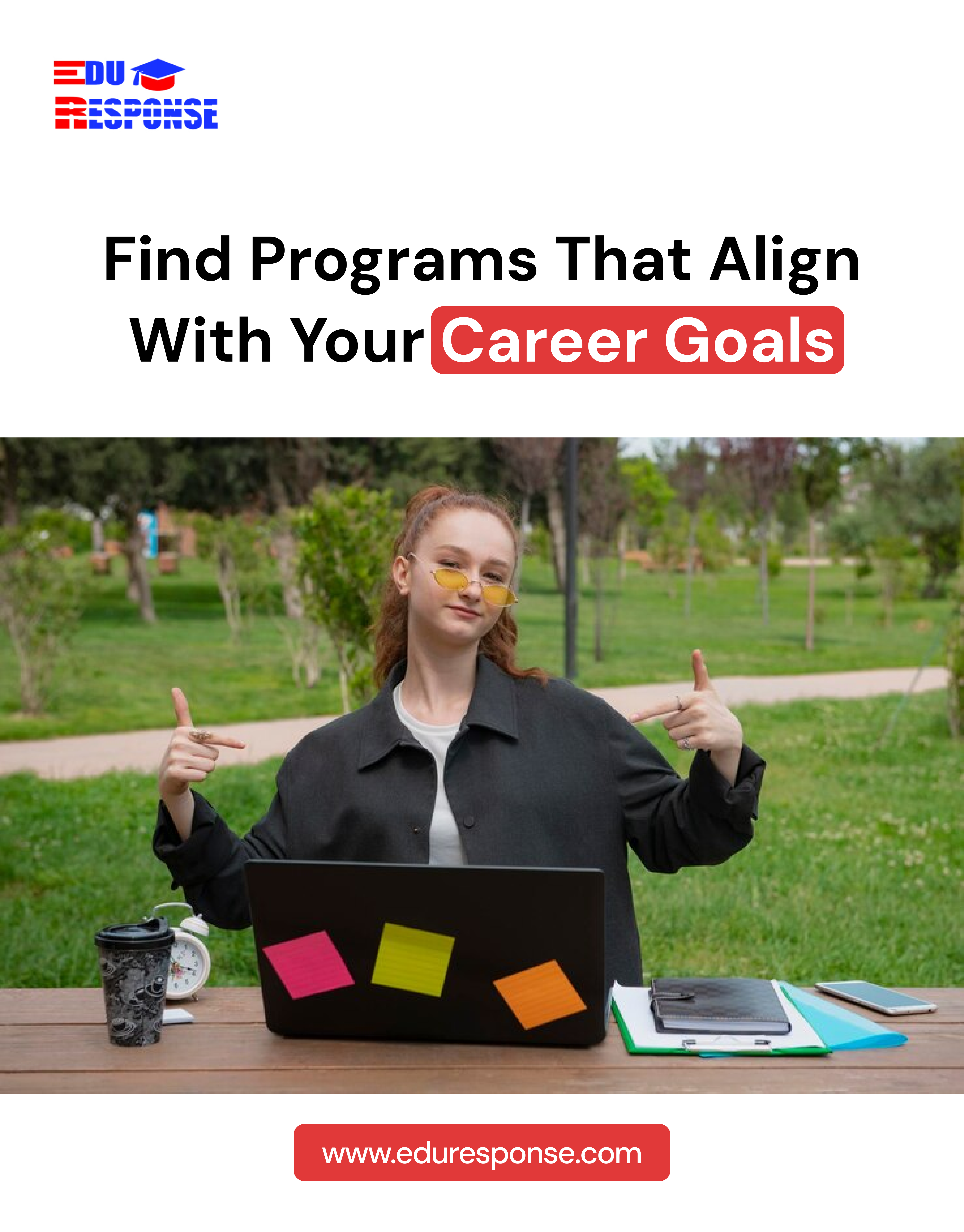
Here’s how to make sure your education leads exactly where you want to go:
1. Start With Your Career Goals
Ask yourself: What do I want to do next? Then find programs built around that path.
Knowing your goals helps you avoid wasting time on courses that don’t serve your future.
2. Choose a Career-Focused Field
Learners may explore programs across multiple industries and occupational areas, including:
According to the U.S. Bureau of Labor Statistics, employment projections and educational requirements vary by occupation and industry.
Healthcare occupations outlook:
(Source: https://www.bls.gov/ooh/healthcare/home.htm)
Business and financial occupations outlook:
(Source: https://www.bls.gov/ooh/business-and-financial/home.htm)
Computer and information technology occupations outlook:
(Source: https://www.bls.gov/ooh/computer-and-information-technology/home.htm)
Skilled trades and technical occupations outlook:
(Source: https://www.bls.gov/ooh/construction-and-extraction/home.htm)
3. Learn Skills You Can Use Right Away
Some programs emphasize applied learning, technical knowledge, and workplace-related skills. Depending on the provider and field of study, programs may include:
Program formats and experiential learning opportunities vary by institution and program.
4. Stay on a Clear and Efficient Path
Colleges designed for working adults often offer:
This means you’ll spend less time in class and more time moving forward.
5. Make Your Education Work for You
You’ve got goals. You’ve got ambition. Now you need a college that’s just as focused as you are.
Education pathways are available in many formats and subject areas, allowing individuals to explore options aligned with their personal and professional goals. Flexible learning opportunities may help learners continue balancing education with work and other responsibilities.
Website: Edu Response
Email: info@eduresponse.com
TikTok: https://www.tiktok.com/@edu.response/video/7497123134563175722
Start smart. Learn with purpose. And make your next move your best one yet.